A structured curriculum, built by people who know this trade
Spray Foam Institute grew out of a straightforward observation: most people in spray polyurethane foam learned it the way most trades get learned — standing next to someone more experienced, picking things up as jobs came along. That works, and it always will be part of how skill gets built in this industry. But it leaves gaps that are invisible until they cause a problem, and it leaves nothing documented to show for the skill someone actually has.
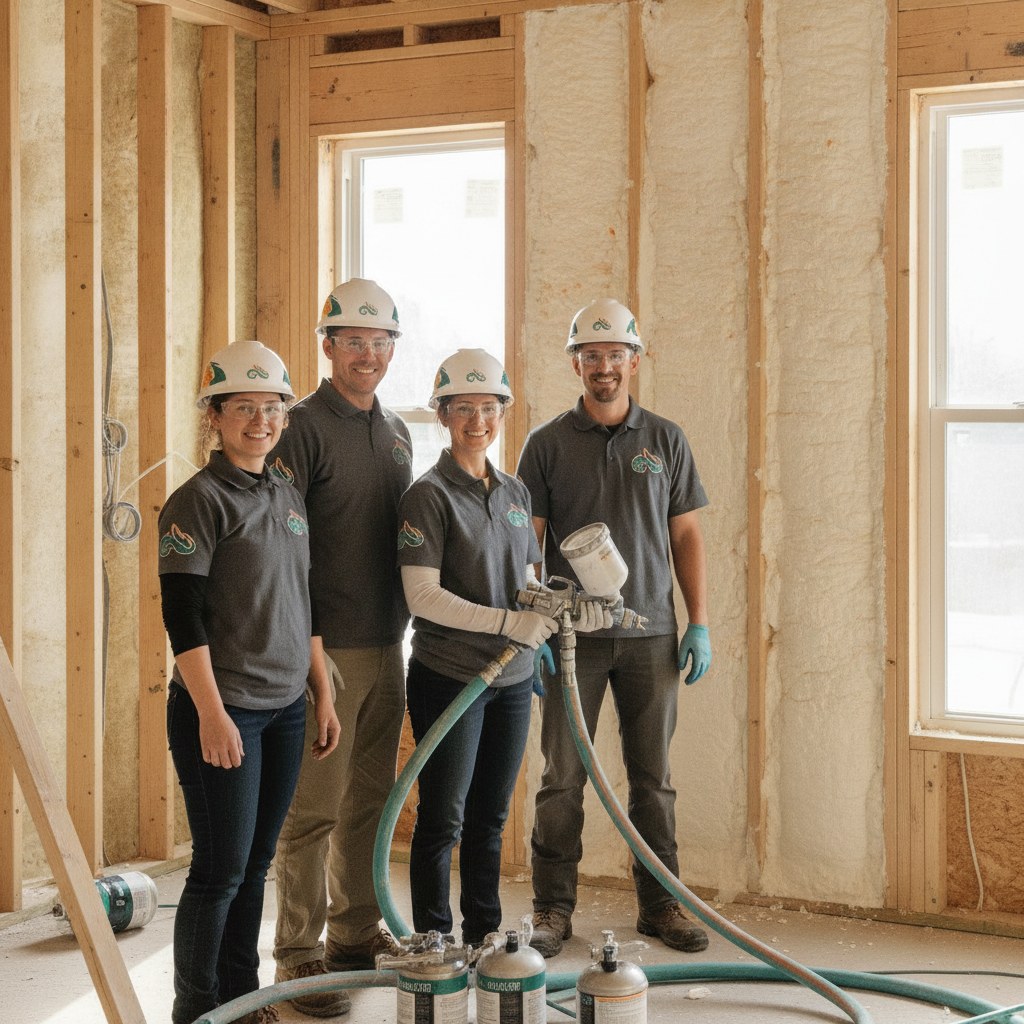
Why we built this as a curriculum, not content
Structure over trial and error
Every course has a defined syllabus, listed prerequisites, and stated learning outcomes. Technical skills require hands-on demonstration, not just a lecture and a certificate for showing up.
Built around this specific trade
SPF chemistry, rig operation, open-cell vs. closed-cell technique, isocyanate exposure control — our curriculum is written around real SPF job conditions, not adapted from a generic contractor-training template.
Room for both new entrants and veterans
New applicators get a real starting point instead of learning by trial and error on a paying job. Experienced applicators without formal training get a way to document skill they already have.
What Spray Foam Institute is — and isn't
We're an independent training and certification institute. Our credential documents completed coursework and, for technical courses, demonstrated hands-on competency — it is not a government-issued contractor license, and it's not affiliated with any single equipment manufacturer or SPF product line. State licensing requirements for SPF work vary and should always be confirmed directly with your state's contractor licensing board.
We're also not a personal coaching relationship and not a single time-boxed event. Spray Foam Institute is coursework on an ongoing, rolling-enrollment model — you can start when you're ready, take courses in the order that fits your situation, and build toward a credential over time.
Where we cite a specific regulation — like OSHA's respiratory protection standard, 29 CFR 1910.134 — we've checked that citation against OSHA's own published standard. Course content is reviewed and updated as standards and industry practice evolve.
Ready to see where you fit in the curriculum?
Tell us your experience level and which courses interest you — we'll point you to the right starting point.
Start your certification path
Tell us which courses you're interested in and where you're at, and we'll follow up with the next available cohort — in-person or online.